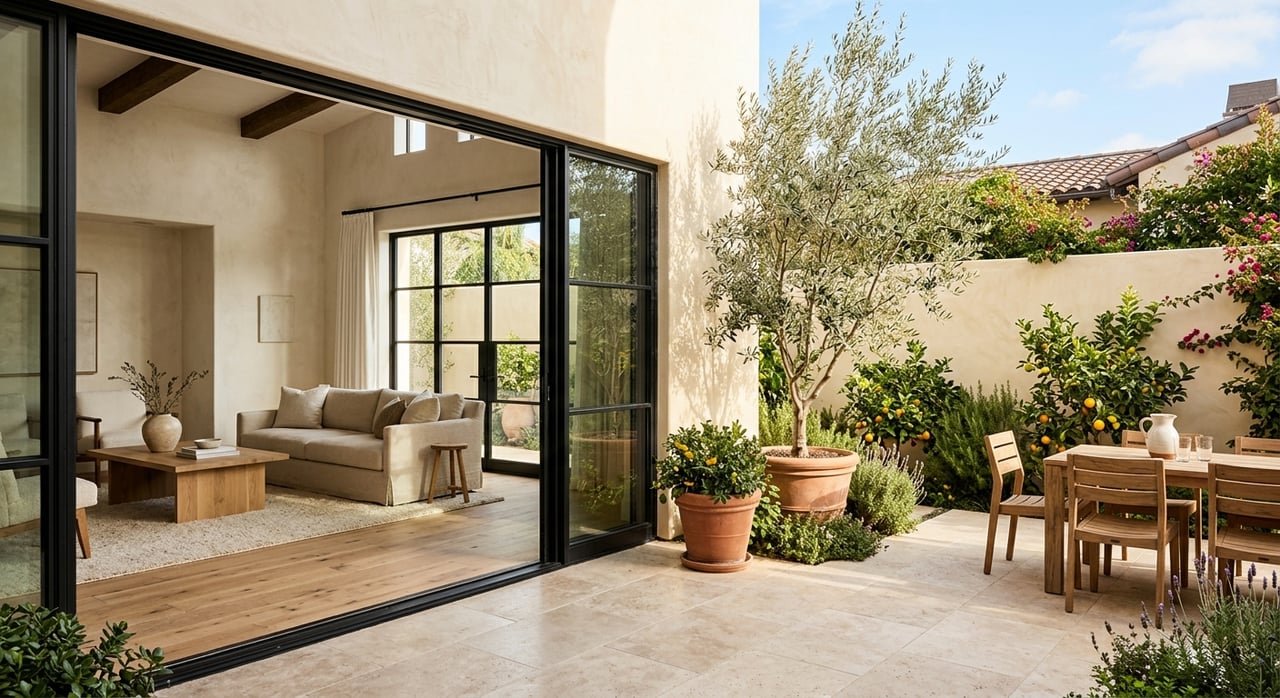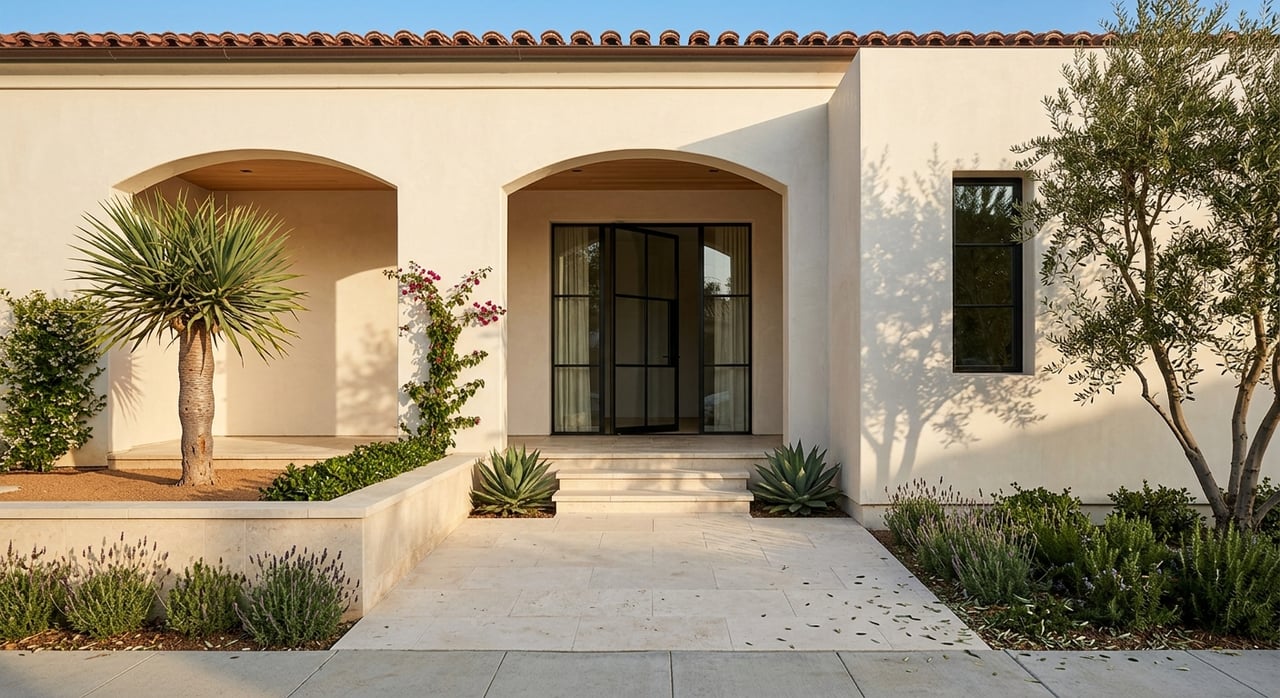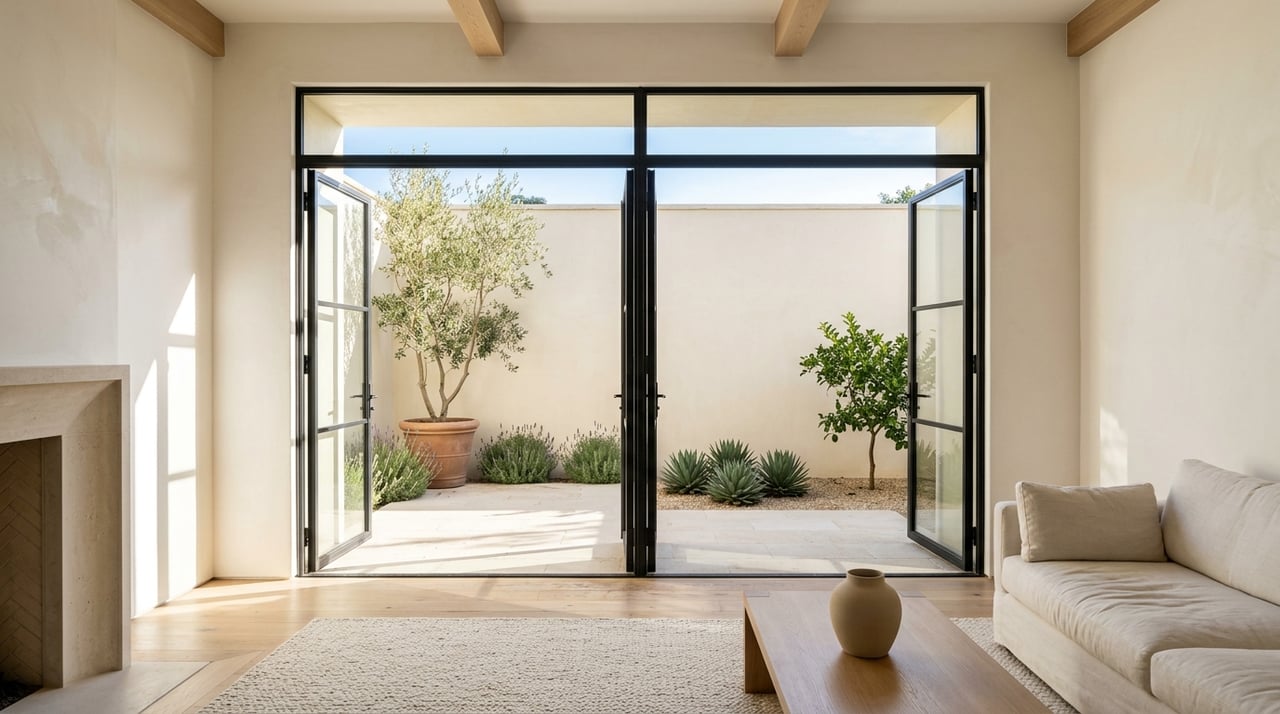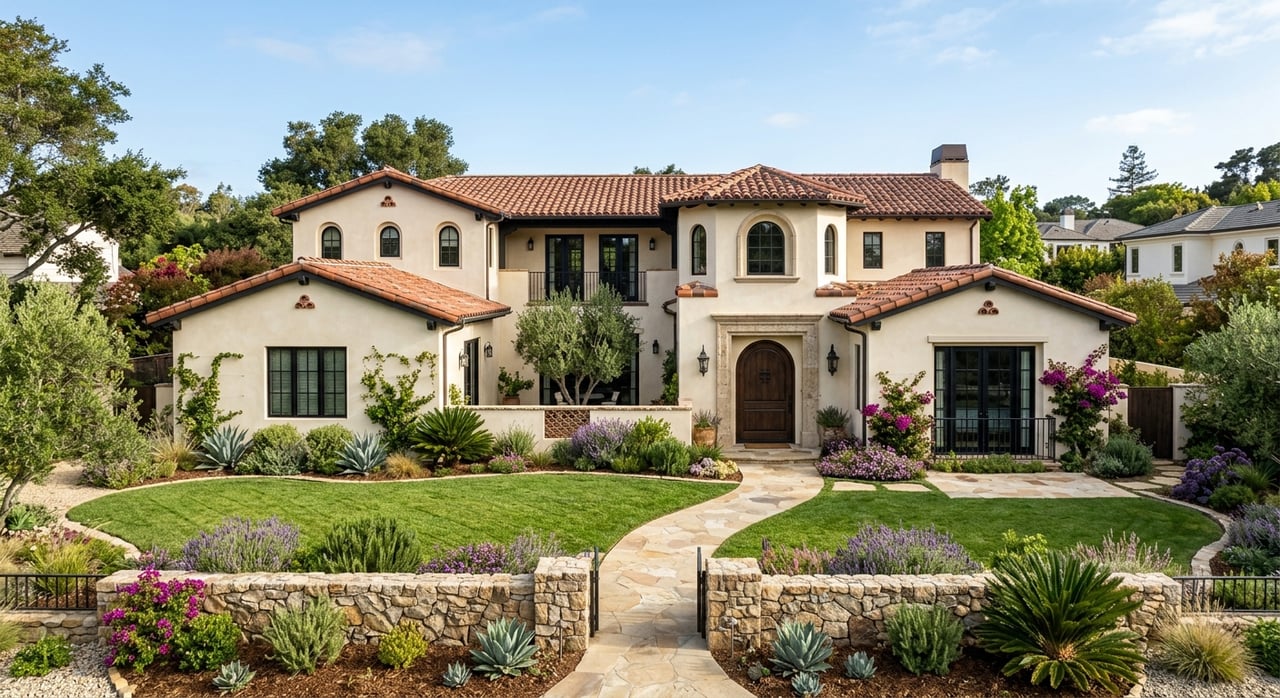
If you have ever driven through La Cañada Flintridge and thought, "This feels different block to block," you are not imagining it. Even in a city known for its residential character, the mix of foothill terrain, lot sizes, commercial pockets, and hillside rules creates very real micro-neighborhood differences. If you are trying to decide where to buy or how to evaluate a home here, understanding those differences can help you narrow your search faster and make a smarter move. Let’s dive in.
Why La Cañada Flintridge Feels So Varied
La Cañada Flintridge is not organized like a master-planned suburb with one uniform housing pattern. According to the city’s General Plan, it is a predominantly low-density, single-family foothill community shaped by terrain, land-use districts, and a built environment that is already largely complete.
That matters because the differences you notice here usually come from landform, lot size, and location rather than from new tracts or major redevelopment. In practical terms, one part of the city may feel more village-like and convenient, while another feels quieter, more spacious, and more shaped by hillside conditions.
The 210 Freeway also plays a role in how the city feels today. The city notes that the freeway physically split the community in the 1970s, and that divide still helps explain why nearby areas can offer a different daily experience.
The City’s Gradient, Not One Neighborhood
The clearest way to understand La Cañada Flintridge is as a gradient. Near Foothill Boulevard, you will find the most convenience-oriented and mixed-use pockets. Moving away from that corridor, the city transitions into more residential blocks, then into larger-lot and more terrain-driven hillside settings toward the north.
The city’s land-use framework supports that pattern. Residential designations range from Low Density Residential to Very Low Density Residential, Estate Residential, and Hillside Residential, each tied to different lot sizes and density levels.
Here is a simple way to think about that progression:
- Near Foothill Boulevard: more walkability, services, and mixed-use activity
- Middle residential areas: a quieter residential feel with access to daily amenities
- Northern hillside areas: larger parcels, more privacy, stronger topographic influence
This structure is one reason buyers often compare homes here based on lifestyle fit, not just square footage or price.
Foothill Boulevard Micro-Neighborhoods
West Gateway, Old Town, and Downtown
If convenience is high on your list, the Foothill Boulevard corridor is where the city’s most walkable micro-areas are concentrated. These districts are where you are most likely to feel a village-like pattern of errands, dining, services, and community activity.
The West Gateway District, which runs from Briggs Avenue to Leata Lane, is planned for local-serving and sub-regional commercial activity and mixed use. The city describes it as a pedestrian-, bicycle-, and transit-oriented area, with buildings placed closer to the street than in more residential sections.
Old Town, from Alta Canyada Road to La Cañada Boulevard, has a smaller-scale commercial identity. The city preserves it as a district of smaller shops and smaller offices, which helps it feel distinct from larger corridor-style commercial strips found elsewhere in Los Angeles County.
Downtown, from La Cañada Boulevard to the I-210 overpass at Crown Avenue, functions as the city’s mixed-use village center under the Downtown Village Specific Plan. If you want to be close to practical day-to-day services and civic activity, this is one of the clearest places to focus.
What living near Foothill usually means
These areas tend to appeal to buyers who want to be closer to:
- Retail and service businesses
- Transit options along Foothill Boulevard
- Community destinations like Memorial Park
- A more connected errands-to-activities routine
The trade-off is straightforward. More convenience often comes with more traffic, more mixed-use activity, and a busier street environment than interior residential blocks.
The Link District Offers Middle Ground
Between Leata Lane and Alta Canyada Road, the Link District works as a transition zone. The city intends for it to remain primarily single-family in character, while coordinating public, recreational, and professional office uses around that residential base.
For many buyers, this is the middle-ground option in La Cañada Flintridge. You can stay close to Foothill Boulevard services without being in the most commercial or mixed-use portion of the city.
The city also states that any conversion of Foothill-fronting single-family homes to office use should happen in an orderly way that does not harm the district’s residential identity. That policy helps explain why this area often feels more residential than the village core, even while staying connected to nearby conveniences.
Michigan Hill Feels More Residential
From the I-210 overpass to Oak Grove Drive, the Michigan Hill District is preserved for low-density, single-family living with a semi-rural character. This is one of the clearest examples of how fast the atmosphere can shift in La Cañada Flintridge.
You may still be within a short drive of Foothill Boulevard, yet the setting feels quieter and less corridor-driven. Buyers who want more privacy or a less active street environment often notice this difference quickly.
Michigan Hill also helps show why La Cañada Flintridge is best understood in layers. You are not traveling far, but the experience changes from village convenience to a more residential edge in a short distance.
Northern Hillside Areas Feel Most Terrain-Driven
North of the city’s A/B Line, La Cañada Flintridge becomes more rural in character and more shaped by steep slopes, canyons, bluffs, ridgelines, and viewscapes. The city treats this northern hillside area as a distinct environment, with policies aimed at preserving open space, views, and environmental resources.
This is where buyers are most likely to encounter larger parcels, privacy, and stronger topographic constraints. It is also the part of the city where due diligence becomes more important because site conditions can vary significantly from property to property.
The city’s policies in these hillside areas emphasize minimizing landform alteration, using construction methods suited to steep terrain, and reducing fire risk. The city’s Building & Safety division also notes that the entire city is within a Very High Fire Hazard Severity Zone, and that La Cañada Flintridge is included in the official 2025 earthquake fault zones.
What to weigh in hillside areas
If you are considering a home in the northern hillside, pay close attention to:
- Slope and grading conditions
- Site-specific wildfire hardening needs
- Geologic and fault-zone due diligence
- Access patterns and terrain-related constraints
For some buyers, these areas deliver the strongest sense of space and privacy in the city. For others, the added complexity is a reason to focus farther south.
Descanso Gardens-Adjacent Pockets Stand Apart
Homes near Descanso Gardens have a distinct identity because they sit near one of the city’s best-known open-space amenities. The county-operated garden covers about 149 acres on Descanso Drive and connects to the regional street and freeway network through local routes including Verdugo Boulevard, La Cañada Boulevard, and Foothill Boulevard.
For many buyers, that nearby open space is a real lifestyle advantage. It adds visual greenery, recreational appeal, and a setting that feels different from a typical residential pocket.
There is also a practical trade-off. Los Angeles County’s master-plan review notes parking expansion to better handle existing and projected visitor use and reduce overflow parking in surrounding streets, which means nearby homes may experience more event-related and visitor-related activity than interior neighborhoods.
Lot Size and Density Shape the Experience
A big part of the local micro-neighborhood story comes down to how the city regulates land. La Cañada Flintridge’s residential categories create noticeable differences in parcel size and intensity.
The city’s General Plan includes these broad residential designations:
- Hillside Residential: 1 dwelling unit per 10 acres
- Estate Residential: 1 dwelling unit per acre with minimum 40,000-square-foot lots
- Very Low Density Residential: up to 2 units per acre with minimum lots of 20,000 to 30,000 square feet
- Low Density Residential: up to 4 units per acre with minimum lots of 10,000 to 15,000 square feet
This framework helps explain why some streets feel more spacious and estate-like while others feel more classically residential. It also reflects how strongly the city leans toward residential and open-space land uses, with only a very small share designated commercial or office.
Everyday Lifestyle Differences Matter Too
Micro-neighborhood choice is not just about the home itself. It is also about how your week feels once you move in.
La Cañada Flintridge has a strong outdoor identity, supported by both city-owned and county-owned trails. The local recreation network also includes Memorial Park, Glenhaven Park, Glenola Park, Mayors’ Discovery Park, and Olberz Park.
Memorial Park is one of the city’s central gathering places at 1301 Foothill Boulevard. It regularly hosts city programming, including the long-running Music in the Park series, which gives nearby areas a stronger civic and community-oriented feel.
The city’s practical amenity cluster is centered around the library, community center, and Lanterman Auditorium area. The LCF Library is at 4545 N Oakwood Drive, the Community Center is at 4469 Chevy Chase Drive, and Lanterman Auditorium is at 4491 Cornishon Avenue, so homes near this cluster often have a shorter routine for day-to-day activities and local events.
Transportation patterns also vary by location. The city reports fixed-route weekday service from the free LCF Shuttle and Glendale Beeline along Foothill Boulevard, along with Pasadena Transit, LA Metro, and LADOT Commuter Express service at some stops, plus 34 bus stops, Dial-A-Ride, Metro Micro, and three Park & Ride locations. Even so, the city notes that vehicles remain the most common commute mode.
Architecture Is Varied, Not Uniform
You should not expect one single architectural style across La Cañada Flintridge. The city’s design manual points to a range of classic Southern California styles, including Spanish Colonial Revival, Mediterranean, Italian Renaissance, Monterey Period Revival, Craftsman, Tudor, Colonial Revival, and Cape Cod.
That variety is part of the city’s appeal. It also means that two homes in different micro-neighborhoods may feel distinct not only because of lot size and terrain, but also because of architectural setting and street rhythm.
How to Choose the Right Micro-Neighborhood
The best area for you depends on how you want daily life to work. In La Cañada Flintridge, that question matters just as much as bedroom count or lot size.
If you want the most convenience and a village-style setting, focus on West Gateway, Old Town, and Downtown. If you want a residential feel while staying close to services, the Link District and nearby Foothill-adjacent streets may offer the best balance.
If privacy, views, and larger parcels matter most, Michigan Hill and the northern hillside usually rise to the top of the list. If open-space access is a priority, Descanso Gardens-adjacent pockets deserve a close look, with the understanding that visitor activity can be part of the experience.
The key is to compare these areas based on trade-offs, not labels. Walkability often brings more activity, while larger-lot hillside living often brings more site-specific due diligence.
If you are planning a move in La Cañada Flintridge, the right guidance can help you match the home to the way you actually live. For tailored neighborhood insight and a more strategic home search, connect with Andy Hairabedian.
FAQs
What are the main micro-neighborhoods in La Cañada Flintridge?
- Buyers often compare Descanso Gardens-adjacent pockets, the Foothill Boulevard village core including West Gateway, Old Town, and Downtown, the Link District, Michigan Hill, and the northern hillside areas north of the A/B Line.
Which La Cañada Flintridge areas are most walkable?
- The most convenience-oriented and walkable areas are generally West Gateway, Old Town, and Downtown along Foothill Boulevard, where the city concentrates mixed-use and local-serving commercial activity.
Which La Cañada Flintridge areas offer more privacy and larger lots?
- Michigan Hill and the northern hillside areas usually offer the most privacy, larger parcels, and the strongest terrain-driven character.
What should buyers know about La Cañada Flintridge hillside homes?
- Buyers should pay close attention to slope, grading, wildfire hardening, and geologic or fault-zone due diligence, especially in hillside areas where site conditions can vary more from one property to the next.
What is the Link District in La Cañada Flintridge?
- The Link District is the stretch between Leata Lane and Alta Canyada Road that the city intends to remain primarily single-family in character while staying close to Foothill Boulevard services and some public, recreational, and office uses.
What is it like to live near Descanso Gardens in La Cañada Flintridge?
- Living near Descanso Gardens can offer strong open-space access and a unique setting, but nearby homes may also experience more visitor and event-related activity than interior residential streets.
How does the 210 Freeway affect La Cañada Flintridge neighborhoods?
- The city notes that the 210 Freeway physically split the community, and that history still helps explain why nearby areas can feel different in layout, access, and overall atmosphere.
Are schools a factor when choosing a La Cañada Flintridge neighborhood?
- Yes. La Cañada Unified School District serves the community and operates three elementary schools, a middle school, and a high school, so address-level boundary checks are still important when evaluating a specific home.