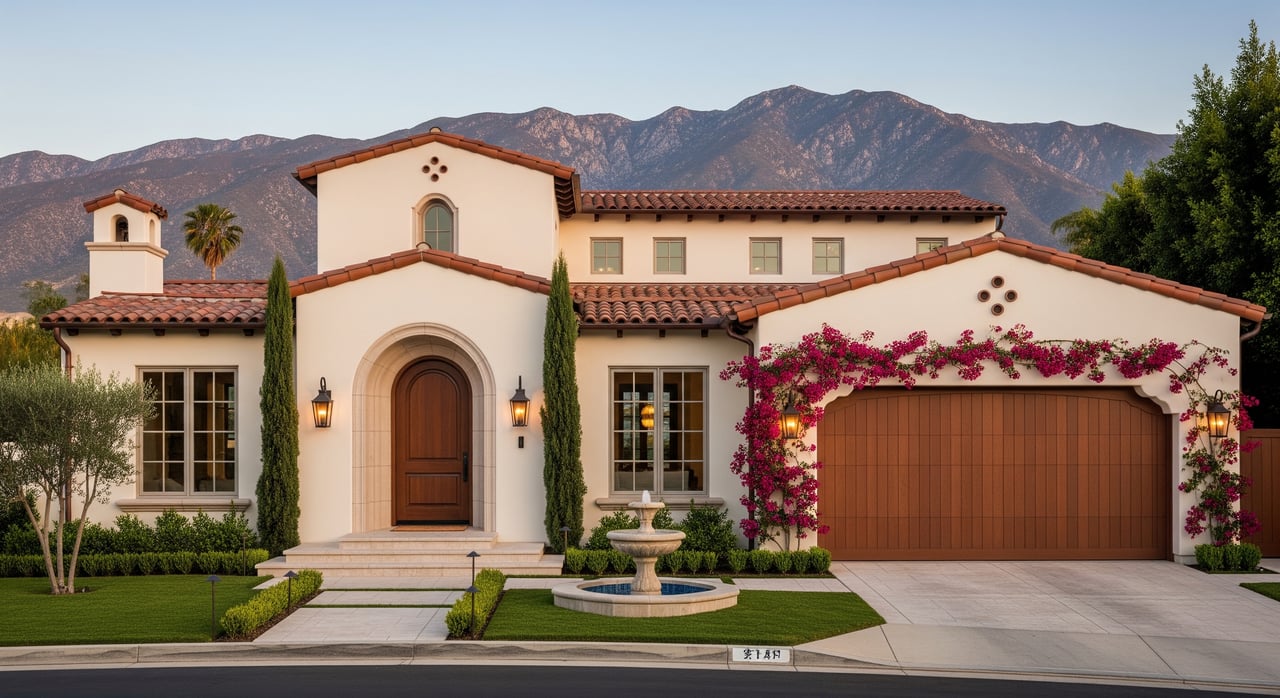
Thinking about selling your Pasadena luxury home but not sure where to start? You want a polished process, strong offers, and a smooth close without guesswork. In this guide, you’ll learn how to prepare, price, market, and negotiate a high‑end sale in Pasadena’s unique market, plus the key legal items you must know in California. Let’s dive in.
Pasadena luxury market at a glance
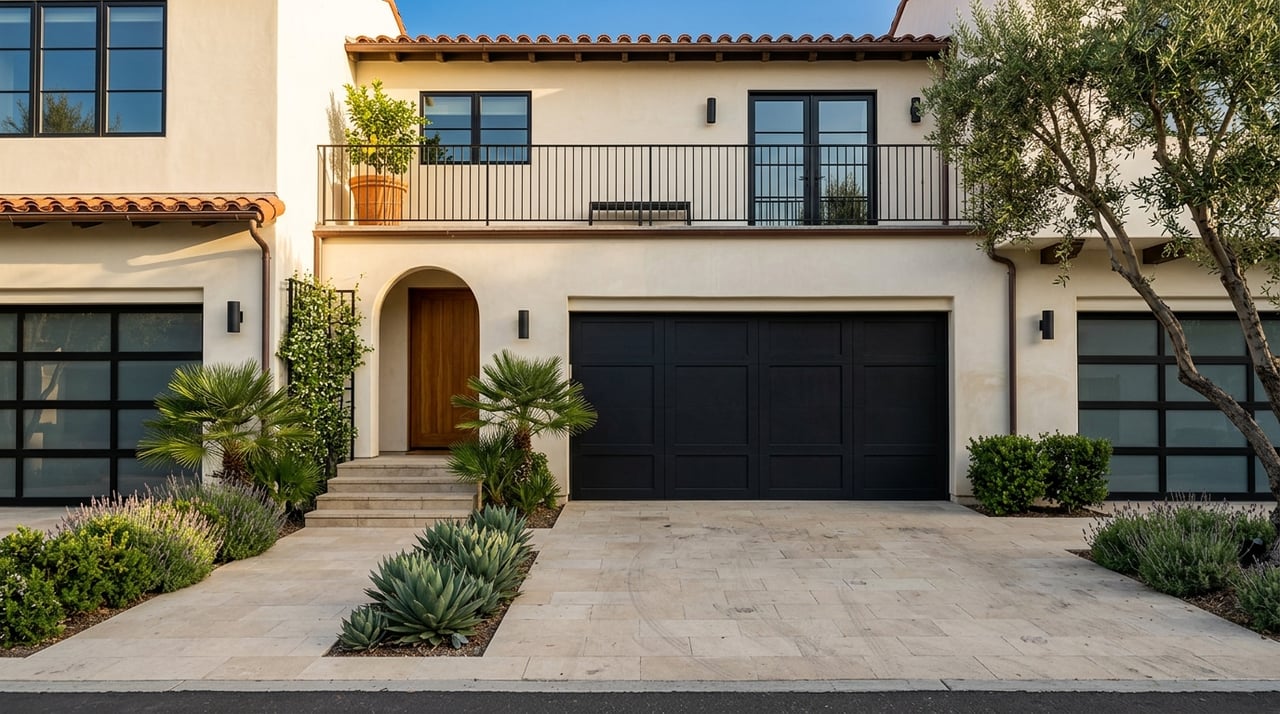
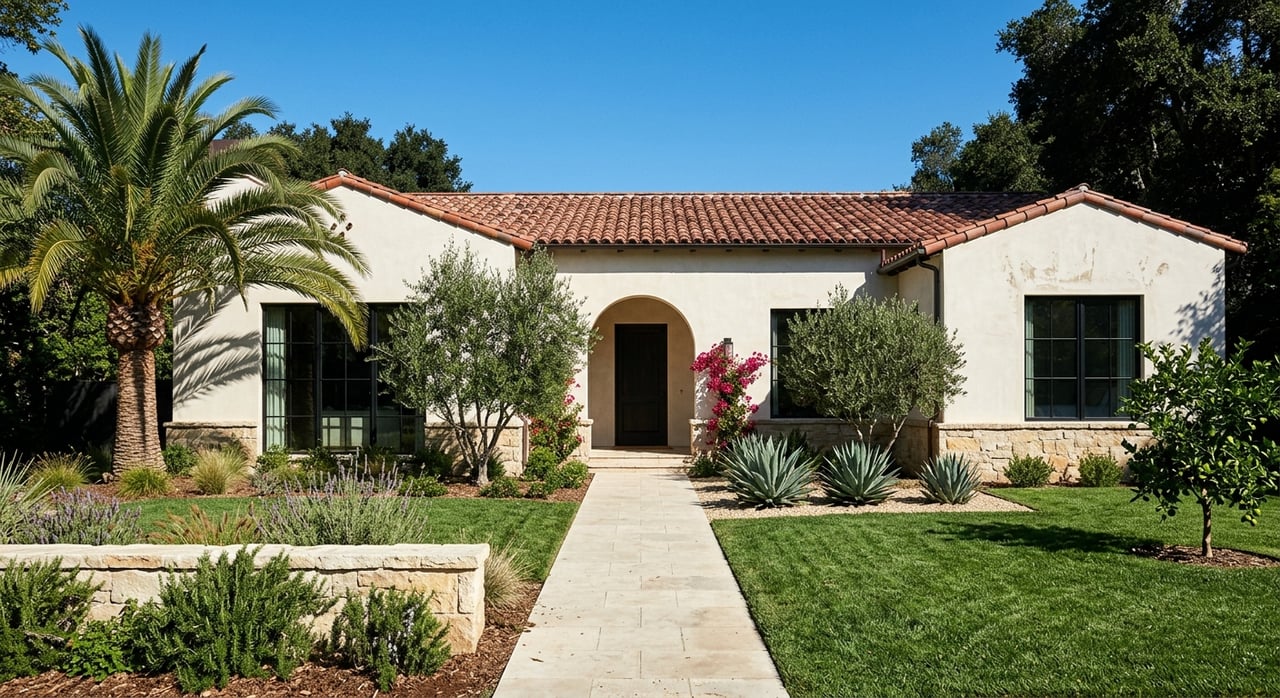
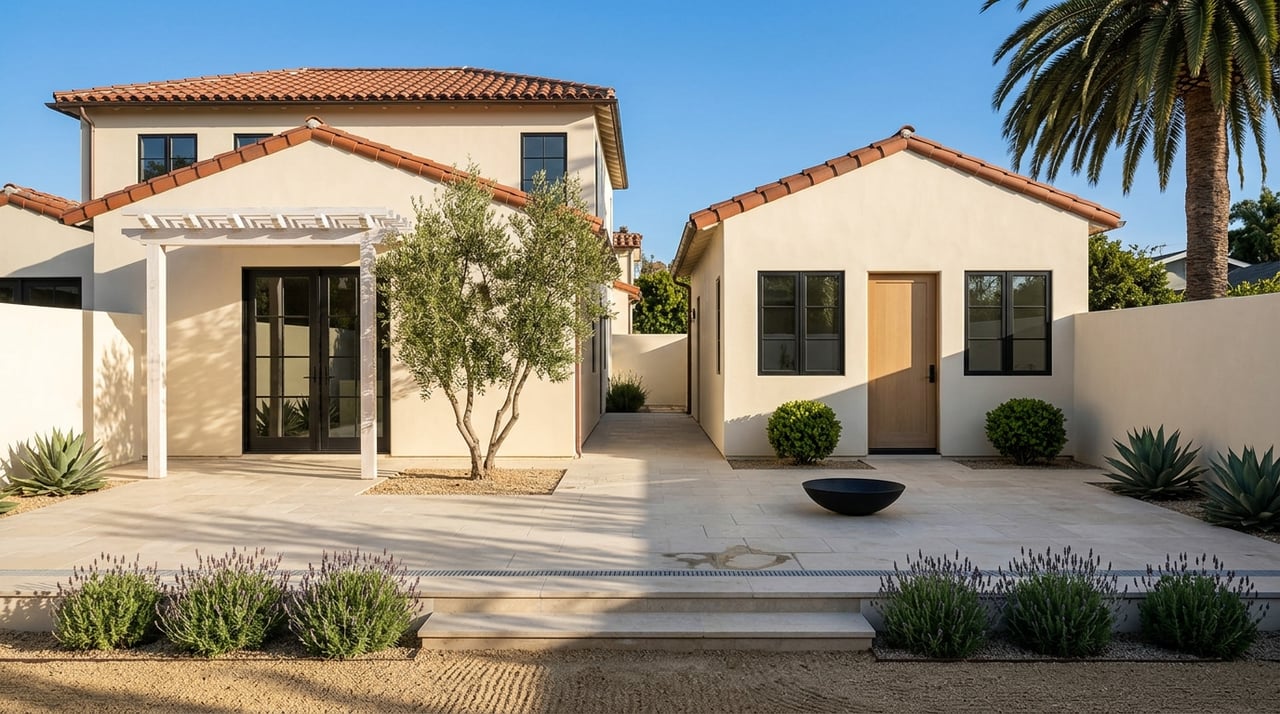
Pasadena’s luxury homes span historic Craftsman and Arts & Crafts estates, Spanish and Mediterranean revival, and select mid‑century modern and contemporary residences. Many sit on larger lots with mature landscaping and outdoor living. Some properties also have architectural or historic significance.
Buyers are often local or Los Angeles–area executives, professionals connected to Caltech or JPL, empty‑nesters seeking walkability and culture, and out‑of‑area or international purchasers. Proximity to Old Pasadena, cultural institutions, and private schools can be important to many buyers.
At the top tier, pricing can be more volatile because there are fewer true comparables. High‑end buyers expect turnkey condition, privacy, and refined finishes. Both price and condition strongly influence perceived value.
Pre‑list prep that protects value
Fixes before upgrades
Start with repairs and deferred maintenance. Address roofing, foundation, HVAC, plumbing and electrical issues, and order termite or wood‑destroying organism inspections. These items can derail a sale or reduce offers.
Once the basics are solid, look at strategic improvements. Avoid large cosmetic projects until you know the true condition, especially for older or historic homes where systems matter to buyers.
High‑ROI updates for luxury
- Kitchen and primary bath updates with quality appliances and timeless finishes.
- System upgrades that signal confidence, such as HVAC, smart home features, and EV charging.
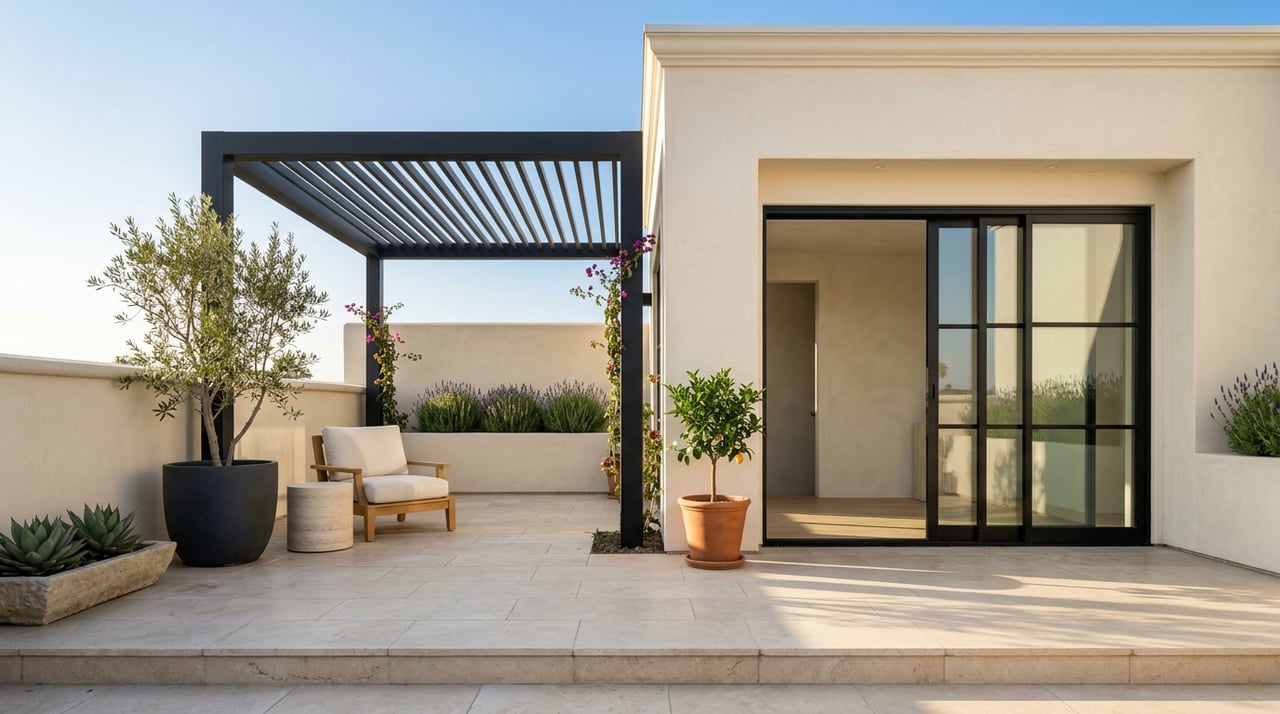
- Curb appeal and outdoor living, including professional landscaping, lighting, pool or spa tune‑ups, and privacy screening.
- Interior refreshes focused on finishes, lighting, flooring, and neutral, high‑end fixtures.
Keep quality high and design timeless. Over‑personalized choices can narrow your buyer pool.
Avoid over‑improvement
At the luxury level, buyers do pay for quality, lot, privacy, and architecture. Appraisals and nearby sales still influence value. Focus on craftsmanship that stands up in photos, showings, and an appraisal report.
Staging and presentation buyers expect
Staging choices
- Full staging for vacant homes to create an aspirational lifestyle.
- Partial staging of key rooms in occupied homes to highlight scale and flow.
- Virtual staging or renderings as a supplement for vacant or dated spaces, with clear disclosure in marketing.
Pasadena‑specific highlights
Showcase indoor and outdoor flow, patio and garden living, and spaces for entertaining. For historic homes, highlight architectural details and provenance. Where relevant, create spaces that demonstrate privacy and security.
Timeline and budget
Secure staging vendors 4 to 6 weeks before listing and plan for 30 to 60 days of staging while on market. Budgets vary widely based on property size and furnishings quality.
Inspections and disclosures in California
Pre‑list inspections
Consider a general home inspection along with roof, pest or wood‑destroying organisms, and HVAC or electrical checks. If you have a pool or septic, include those systems. For complex or highly customized properties, a pre‑list professional valuation or appraisal can help guide pricing.
Mandatory disclosures
California requires a Transfer Disclosure Statement and a Natural Hazard Disclosure. Homes built before 1978 require a lead‑based paint disclosure. If you are in an HOA, gather the required HOA resale documents. Local ordinances or addenda may apply, so coordinate with your agent and escrow or title team early.
Pricing strategy that works at the top
How to set the asking price
Use a broker comparative market analysis that reviews recent solds, active inventory, and pendings within the last 6 to 12 months. Adjust for lot size, view, renovation level, and unique amenities. For one‑of‑a‑kind estates, consider a pre‑list appraisal or a formal broker opinion of value.
Watch the first two weeks
Track showings, feedback, page views, and any offers in the first 7 to 14 days. The market’s early reaction helps you confirm pricing or signals the need to adjust.
Appraisal planning
Luxury properties with unique qualities can appraise below contract price. Discuss appraisal risk and mitigation options, including pre‑list valuations and how to weigh offers with appraisal gap coverage or waived contingencies.
Marketing and exposure for Pasadena estates
Visual assets that set the tone
High‑impact visual media is essential. Plan for professional photography, drone or aerial images, twilight shots, a polished property video, and a 3D tour with floor plans. Retouch for consistent color and exposure. If you use virtual staging or renovation renderings, disclose it clearly.
Distribution plan that reaches real buyers
Use a digital‑first strategy. List on the MLS, create a dedicated property landing page with high‑quality media, and run targeted digital advertising to reach regional and out‑of‑area buyers. Lean into social platforms that favor video, including short‑form reels and cinematic tours. Amplify with email campaigns to broker networks and qualified buyer lists.
For traditional reach, produce high‑quality brochures, send direct mail to nearby high‑net‑worth households, and consider selective print placements. Host broker opens, invitation‑only previews, and concierge showings for qualified prospects. For certain properties, coordinate international exposure through aligned networks.
Why execution quality matters
At the luxury level, production value is a proxy for care and credibility. A refined media package, consistent branding, and disciplined follow‑up help your home stand out and can improve both time to offer and final terms.
Showings, offers, and negotiation
Qualifying buyers
Ask for proof of funds for cash offers or strong pre‑approval for financed offers. Many luxury buyers write cash or jumbo loans and may request longer inspection periods for estate‑scale properties. Set clear showing protocols that respect privacy and security.
Comparing offers beyond price
Review the net proceeds, contingencies, timeline, and certainty of close. Cash or partially waived contingencies often carry weight. Understand how appraisal, inspection scopes, and concessions affect your true bottom line.
Multiple offers and escalation clauses
In competitive situations, you may see escalation clauses. Compare all terms carefully and look for the offer most likely to close on time with minimal risk. Your strategy should align with your goals for price, timing, and certainty.
Timeline, costs, and net proceeds
Every home is unique, but most luxury sales follow a similar arc.
- Pre‑list preparation: 2 to 8 weeks for repairs, staging planning, and media production.
- Time on market: varies with price and condition. Monitor traction at 2 to 4 weeks and adjust if needed.
- Escrow once under contract: typically 30 to 45 days, potentially 60 or more for complex transactions.
Typical cost ranges can include minor pre‑list repairs from about $1,000 to $10,000, with major system work higher. Staging can range from several thousand to more than $10,000 per month for high‑end inventory. Professional media might run from several hundred to several thousand dollars depending on scope. Commission structures and fees vary by market and contract. Build a net sheet that includes mortgage payoff, prorations, and closing costs.
For tax planning, discuss capital gains and possible 1031 exchange considerations if applicable to your situation. In California, a change in ownership may trigger a reassessment, so consult the county assessor or your title team about implications.
Seller checklist
- Collect property documents: title, permit history, HOA documents if applicable, surveys, manuals, and warranties.
- Order pre‑list inspections: general, pest, roof or structure, and pool or equipment where relevant.
- Decide staging scope and secure vendors early.
- Commission high‑end photography, drone, twilight, floor plans, and a 3D tour.
- Obtain a CMA and consider a pre‑list appraisal for unique or complex properties.
- Prepare mandatory disclosures and confirm transfer mechanics with escrow and title.
- Set the marketing plan: MLS, dedicated property website, targeted digital ads, social campaigns, and broker outreach.
- Plan showings and privacy measures during marketing.
- Meet with a tax advisor to discuss capital gains and transfer implications.
Ready to sell your Pasadena luxury home?
You deserve a sale that reflects the quality of your property and your goals. If you want a media‑first plan, white‑glove presentation, and disciplined negotiation from a Pasadena‑based team, connect with Andy Hairabedian. Request a free home valuation and let’s build your strategy.
FAQs
How long does it take to sell a Pasadena luxury home?
- It depends on price, condition, and marketing, but many luxury listings plan for 2 to 8 weeks of prep and 30 to 60 days from contract to close.
What upgrades deliver the best return before listing?
- Focus on systems and kitchens or baths, plus landscaping and outdoor living; keep design timeless and avoid over‑improvement relative to nearby sales.
How should I price a unique or historic estate?
- Use a CMA informed by recent sales and actives, adjust for lot and features, and consider a pre‑list appraisal or broker opinion of value.
What disclosures are required to sell in California?
- You will complete a Transfer Disclosure Statement and Natural Hazard Disclosure; homes built before 1978 require a lead‑based paint disclosure, and HOA documents apply if relevant.
Do high‑end marketing and video actually pay off?
- Luxury buyers expect refined presentation; quality photography, video, and 3D tours improve exposure and can help drive stronger offers and better terms.
How do I handle appraisal risk at the high end?
- Anticipate potential gaps by obtaining a pre‑list valuation and weighing offers with appraisal gap coverage or waived contingencies where appropriate.