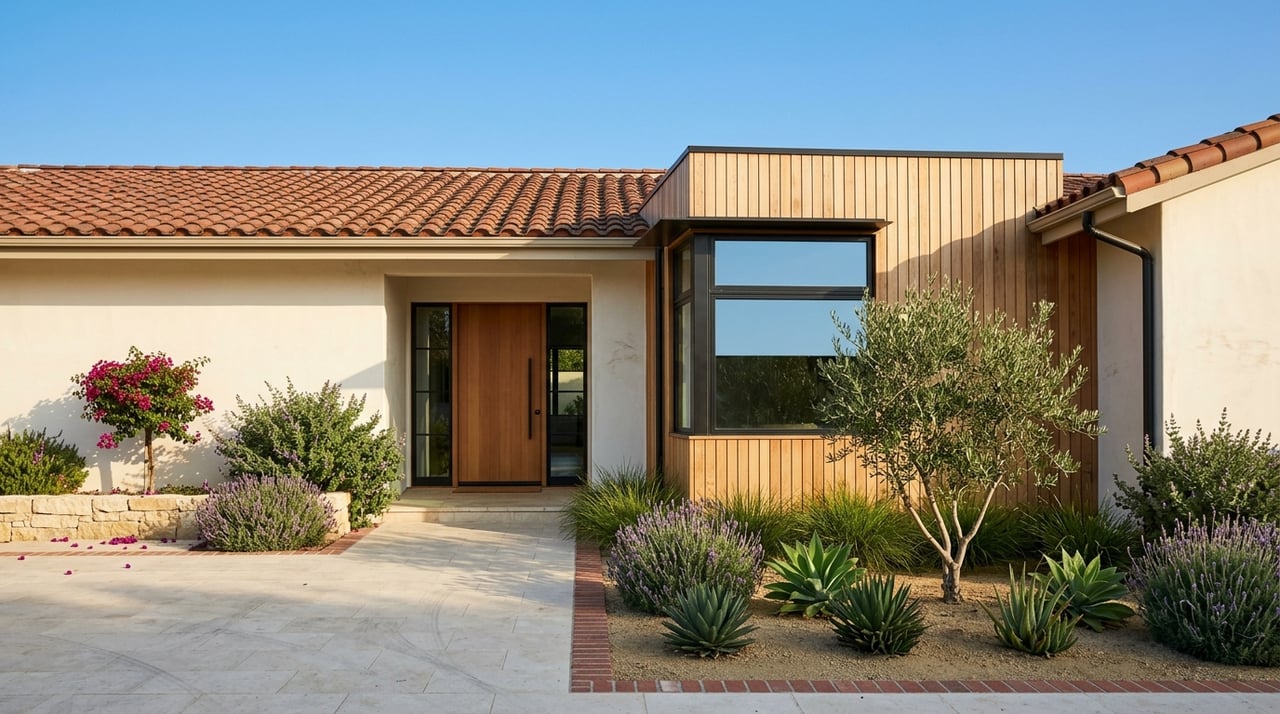
Looking at homes in Sherman Oaks and wondering why one street feels classic California while the next feels sleek and modern? You are not imagining it. Sherman Oaks has a layered housing story shaped by when homes were built, where they sit in relation to Ventura Boulevard, and how the land itself rises and falls. If you are buying, selling, or simply trying to understand the neighborhood’s design character, this guide will help you spot the main home styles and what gives each one its appeal. Let’s dive in.
Why Sherman Oaks Has So Many Styles
Sherman Oaks is not a one-style neighborhood. According to the Sherman Oaks-Studio City-Toluca Lake-Cahuenga Pass Community Plan, the area includes commercial and office development along Ventura Boulevard, with most single-family homes in hillside areas south of Ventura and more multi-family housing north of Ventura along major arterials.
That pattern helps explain why Sherman Oaks feels visually mixed. On flatter residential blocks, you are more likely to see postwar ranch homes. In hillside sections, the architecture often shifts toward mid-century modern forms that respond to slope, views, and winding streets.
Early Revival Homes
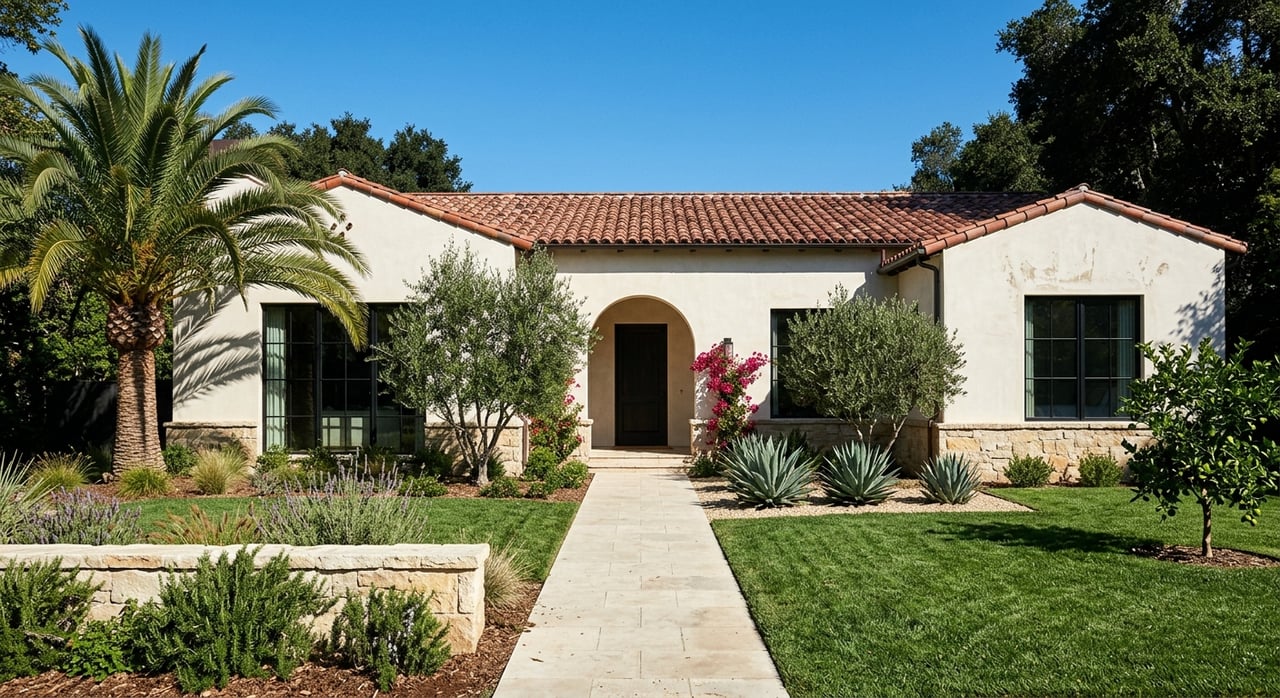
While Sherman Oaks is largely seen as a postwar neighborhood, there is an earlier layer that still matters. One of the best-known early examples is the 1927 Sheridan House, identified as a Spanish Colonial Revival residence.
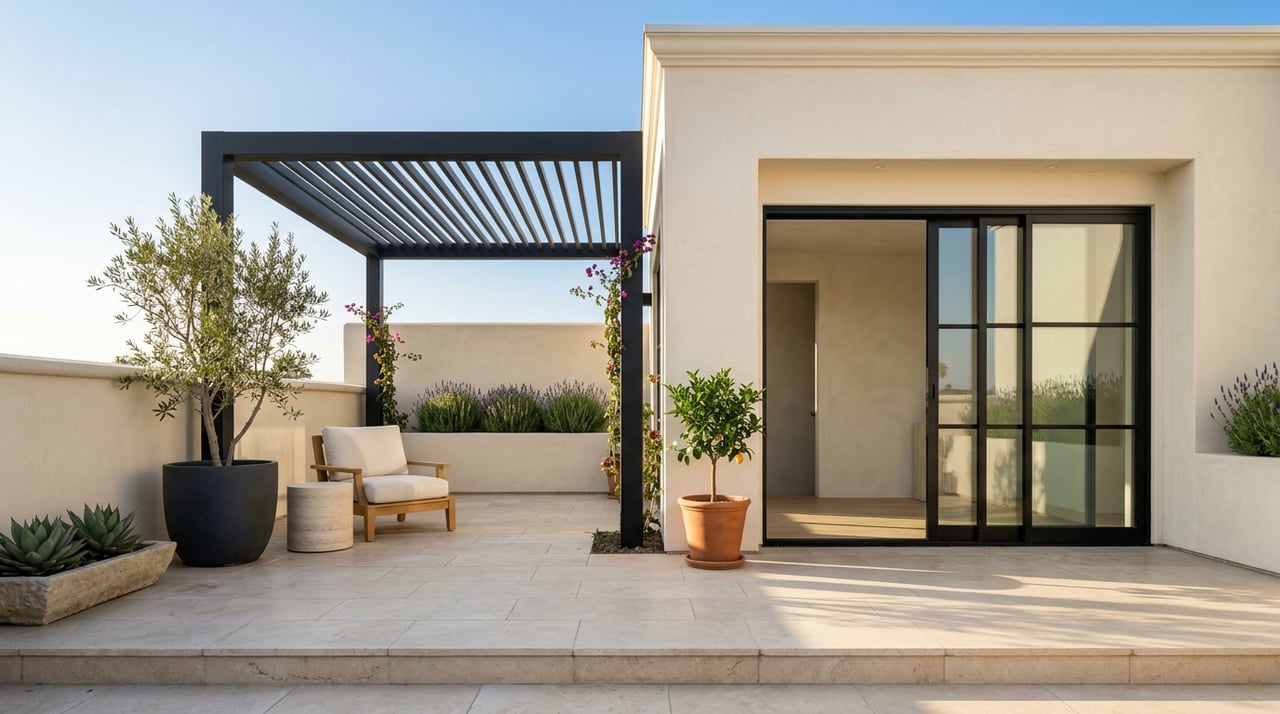
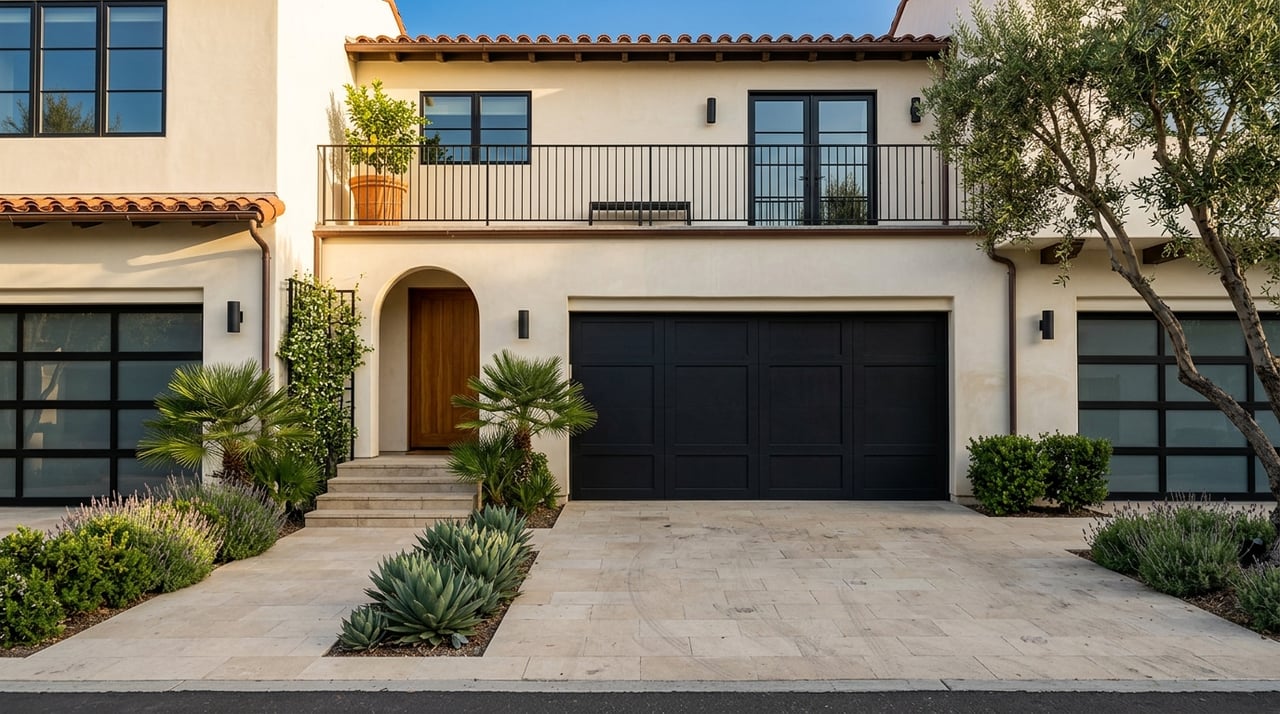
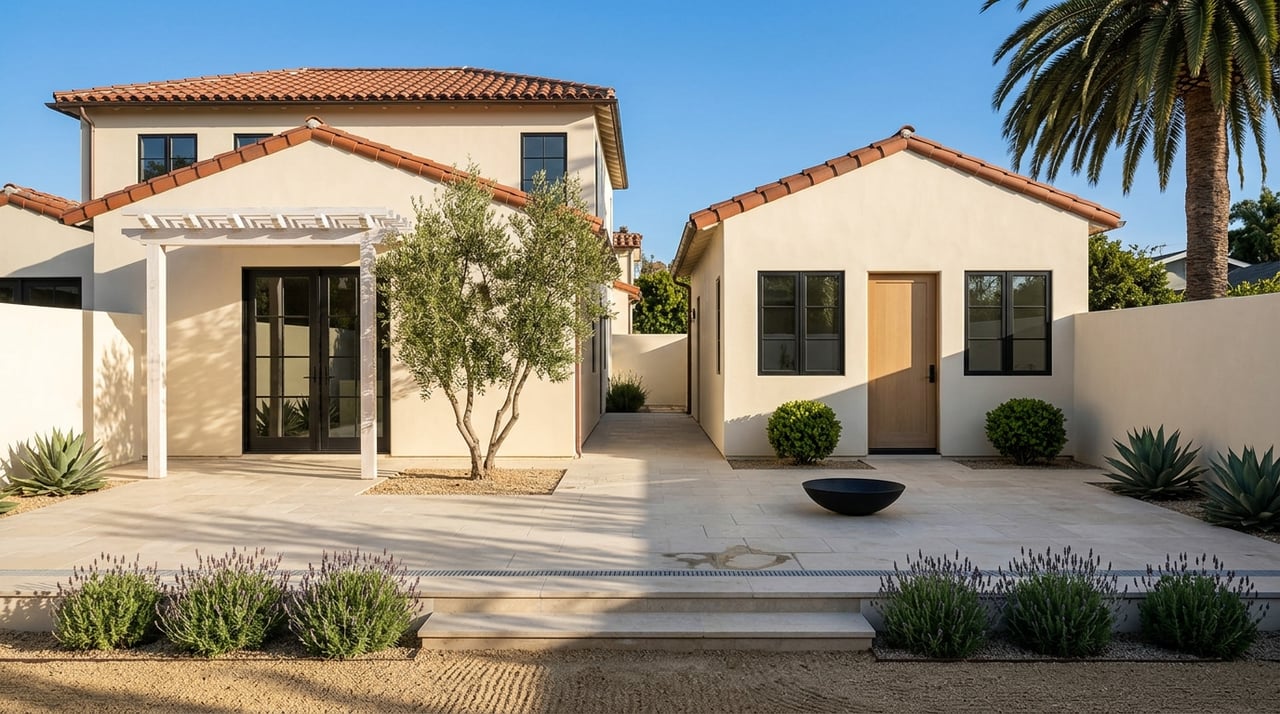
If you are trying to recognize this style from the street, look for stucco walls, terra-cotta clay tile roofing, multi-paned windows, a simple inset porch, and patio or courtyard elements. These homes often feel more rooted in Southern California’s early 20th-century design language than the broader postwar homes that followed.
What to Notice
For buyers and sellers, the curb appeal of an early revival home often comes down to the surfaces and details that define it most clearly:
- Stucco wall finish
- Clay tile roof edges
- Porch or entry character
- Courtyard or patio presence
- Traditional window patterns
Because these homes are an older layer in Sherman Oaks, they tend to stand out as part of the neighborhood’s original architectural story.
Ranch Homes Define Classic Sherman Oaks
If you picture a traditional Sherman Oaks residential street, you are probably picturing a ranch home. The city’s Ranch House context statement notes that by the 1950s, the ranch house had become the predominant choice for detached single-family residences.
In Los Angeles, ranch homes are typically one story with long horizontal plans, low-pitched roofs, wide eaves, and open interior layouts. You will also often see deep setbacks and attached or detached garages or carports. This is the visual language many people associate with classic postwar Valley living.
Key Ranch Features
When you walk a ranch-heavy block in Sherman Oaks, look for these defining cues:
- One-story layout
- Long, horizontal shape
- Low-pitched roofline
- Wide eaves
- Garage or carport presence
- Open, low-profile street presence
The same city context statement also notes that ranch neighborhoods often include curving streets and cul-de-sacs. That helps explain why some Sherman Oaks pockets feel relaxed and residential, with homes that sit low and wide across their lots.
Why Ranch Design Still Appeals
Ranch homes remain popular because they often offer practical layouts, approachable street presence, and a strong indoor-outdoor feel. Their design is usually easy to read from the curb, which can make them especially memorable for buyers.
For sellers, the style’s appeal often depends on preserving the features that make it recognizable. The city’s preservation guidance highlights how much the original roofline and open voids matter to the ranch look, which is a reminder that proportion and profile are a big part of the home’s identity.
Mid-Century Modern On The Hillsides
As the terrain changes, so does the architecture. In Sherman Oaks hillside areas, mid-century modern homes become a more natural fit because the style responds well to sloped lots, light, and views.
The city’s Los Angeles Modernism context statement describes Mid-Century Modern homes as having geometric forms, smooth wall surfaces, flat or low-pitched roofs, large expanses of glass, open plans, and post-and-beam construction. In Sherman Oaks, those features often feel especially dramatic on hillside streets.
Platform Houses And Steep Lots
One of the clearest examples is the Platform House Residential Historic District on Oakfield Drive. These single-story homes were built between 1962 and 1966 on a winding hillside road near Mulholland Drive and are suspended on steel platforms.
What makes these houses especially interesting is how they present themselves. From the street, the facades can appear simple and restrained. On the view side, they open toward canyon and valley vistas with a stronger emphasis on glass and outlook.
Key Mid-Century Features
If you are touring hillside homes in Sherman Oaks, these are the cues to watch for:
- Flat or low-slope roofs
- Clean geometric lines
- Large glass walls or windows
- Open-plan layout
- Post-and-beam structure
- Strong connection to the lot and views
On hillside modern homes, curb appeal is not just about the facade. The lot itself matters. Trees, retaining walls, grading, and sightlines all shape how the home is experienced from the street and from the rear-facing living spaces.
Ventura Boulevard Shapes The Housing Mix
One of the simplest ways to understand Sherman Oaks architecture is to use Ventura Boulevard as a guide. South of Ventura, the area is generally dominated by single-family homes in hillside settings. North of Ventura, multi-family buildings become more common along the main arterials, based on the community plan.
That means your experience of Sherman Oaks can shift quickly depending on where you are standing. A street closer to the hills may feature ranch or modern homes shaped by slope and views, while a corridor-adjacent area may include condos, apartments, or townhome-style properties that reflect a more compact residential pattern.
Newer Infill, Condos, And Townhomes
Sherman Oaks is not frozen in one era. Draft community plan update materials identify select areas along streets like Moorpark and Dickens for low-medium and medium residential uses, including low-rise apartments, condominiums, and townhomes.
This is where the neighborhood shifts from older detached homes to more compact housing forms. These newer properties usually rely less on historic detailing and more on scale, setback, and how the building transitions to neighboring homes.
What These Homes Add
For buyers, newer low-rise infill can offer a different ownership option within Sherman Oaks. For sellers of nearby homes, these properties also help explain the neighborhood’s broader housing mix and why some areas feel more urban in form than others.
Citywide, Los Angeles has also identified small-lot townhomes as part of the housing forms it is trying to streamline. In practical terms, that makes townhomes and condo-style living an important part of Sherman Oaks’ present-day housing picture.
How Topography Changes The Look
In Sherman Oaks, the land itself is part of the design story. On flatter blocks, homes often spread horizontally across the lot. On hillside streets, architecture has to respond differently, sometimes sitting closer to the street while opening dramatically toward the back.
The city’s hillside design context shows why two streets a short distance apart can feel so different. Winding roads, steep lots, retaining walls, vegetation, and view orientation all influence how homes are designed and how they read from the curb.
In hillside sections covered by the Mulholland Scenic Parkway guidelines, visual priorities include preserving views, native vegetation, and the natural hillside appearance. That reinforces a point buyers and sellers often sense right away in Sherman Oaks: the setting is not just a backdrop. It shapes the architecture.
What Buyers Should Watch For
If you are shopping in Sherman Oaks, understanding home style can help you compare properties more clearly. A ranch home, an early revival home, and a hillside modern may all be in the same broader neighborhood, but they offer very different design experiences.
Here are a few smart things to pay attention to:
- Roofline and proportions: These are central to both ranch and modern homes.
- Lot shape and slope: Hillside properties often live differently than flat-lot homes.
- Street context: Nearby building types can change block by block.
- Original design cues: Details like glass, tile, eaves, or courtyard elements often define a home’s style.
The more clearly you can identify what gives a home its character, the easier it becomes to judge fit, value, and long-term appeal.
What Sellers Should Highlight
If you are selling a home in Sherman Oaks, style recognition matters. Buyers respond more strongly when a home’s defining features are easy to understand and visually coherent.
For a ranch home, that may mean emphasizing the low roofline, horizontal layout, and open curb presence. For a mid-century modern home, it may mean drawing attention to glass, clean lines, and the relationship between the home and the site. For an early revival home, materials like stucco and clay tile can help tell the story.
A thoughtful marketing strategy can help frame those distinctions clearly, especially in a neighborhood where architecture varies so much from one pocket to the next. If you are preparing to buy or sell in Sherman Oaks and want guidance grounded in local housing context, connect with Andy Hairabedian for tailored support.
FAQs
What home styles are most common in Sherman Oaks?
- Sherman Oaks is largely a postwar neighborhood, so ranch homes are a major part of its housing stock, with mid-century modern homes in hillside areas and condos or townhomes in some corridor-adjacent locations.
How does Ventura Boulevard affect housing styles in Sherman Oaks?
- Ventura Boulevard is a useful divider because areas south of Ventura generally have more single-family hillside homes, while areas north of Ventura include more multi-family housing along main arterials.
What defines a ranch home in Sherman Oaks?
- A Sherman Oaks ranch home typically has a one-story layout, long horizontal proportions, a low-pitched roof, wide eaves, and a garage or carport.
Why do some Sherman Oaks homes look more modern than others?
- Hillside lots in Sherman Oaks often support mid-century modern design, which uses flat or low-slope roofs, geometric forms, large glass areas, and layouts that respond to views and sloped terrain.
Are there older prewar homes in Sherman Oaks?
- Yes, Sherman Oaks includes an earlier layer of prewar revival-style homes, including Spanish Colonial Revival examples with stucco walls, clay tile roofs, and courtyard-style features.
What types of newer housing are found in Sherman Oaks?
- In some parts of Sherman Oaks, especially near corridor areas, you may find newer low-rise apartments, condominiums, and townhomes that add more compact housing options to the neighborhood mix.