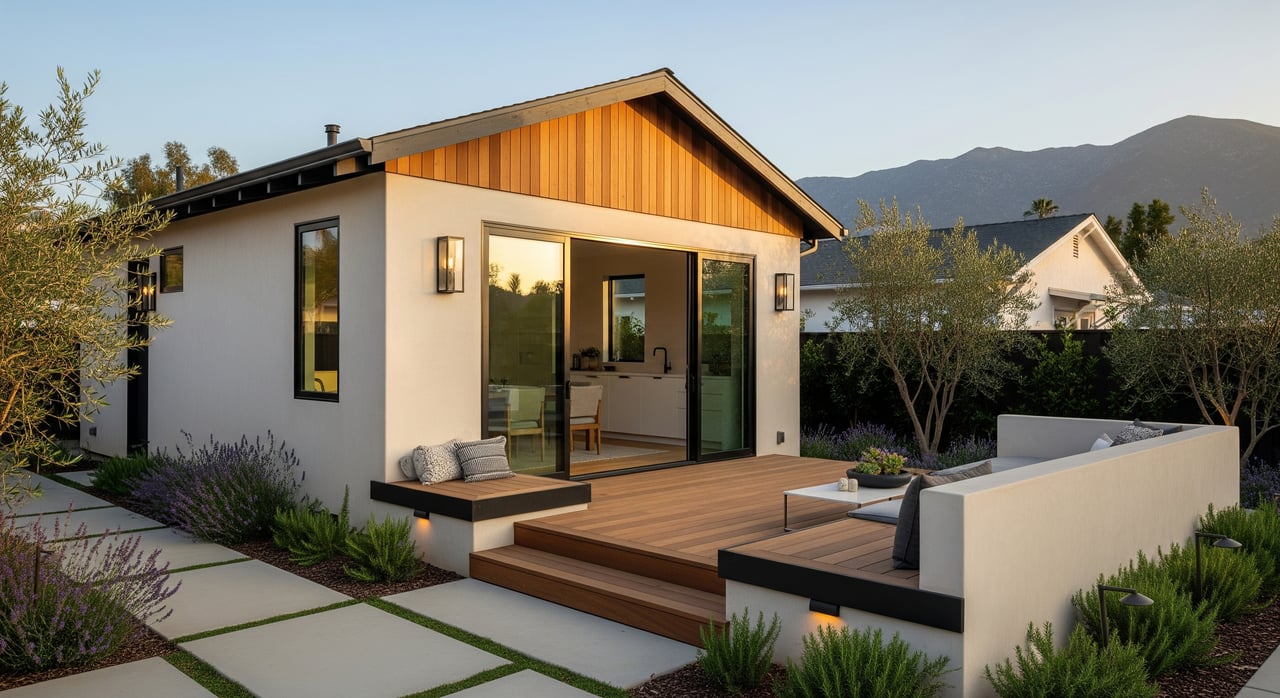
Thinking about adding an ADU to your Glendale property? Whether you want space for multigenerational living or a long-term rental, an ADU can boost flexibility and value. The process is more straightforward than it used to be, but you still need a clear plan for zoning, parking, utilities, and permits. In this guide, you’ll learn the essentials Glendale homeowners should know so you can move forward with confidence. Let’s dive in.
ADU types to consider
Before you sketch floor plans, decide which ADU type fits your lot, budget, and goals.
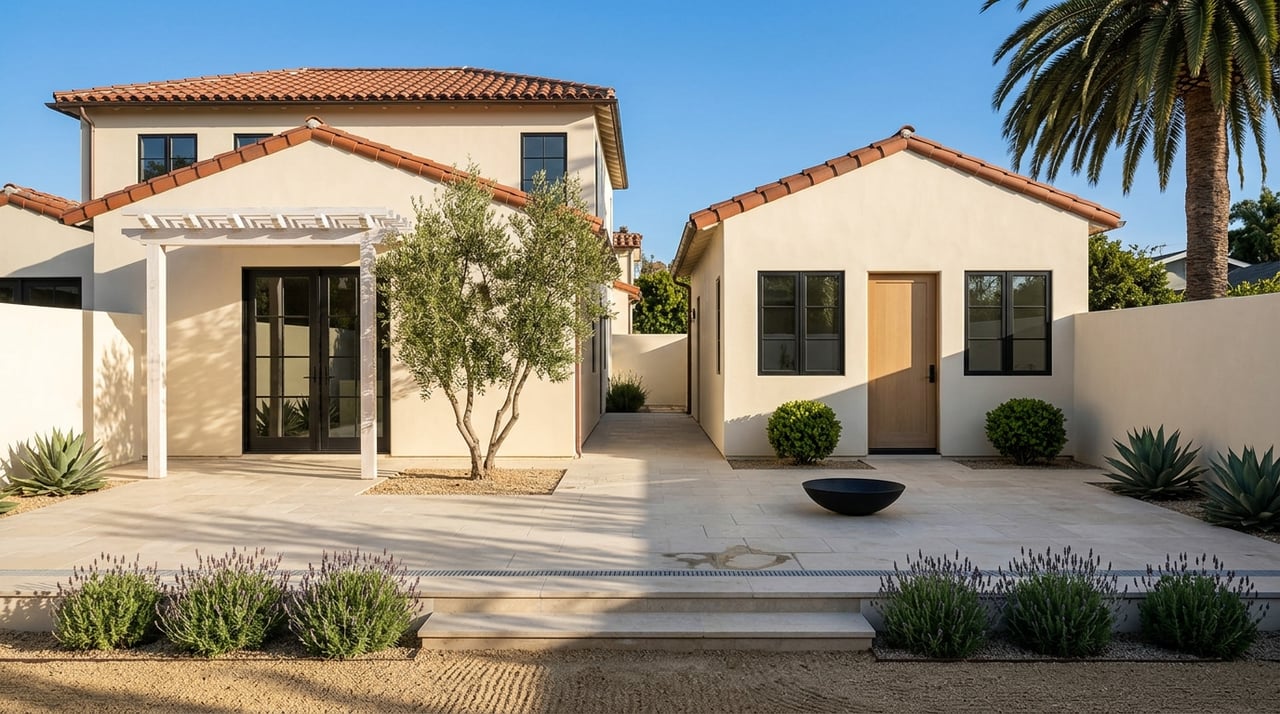
- Detached ADU. A new small home separate from your main house, often a backyard cottage.
- Attached ADU. An addition that shares one or more walls with the primary home.
- Conversion ADU. A conversion of existing, legally permitted space, such as a garage, attic, or basement.
- Junior ADU (JADU). Usually 500 sq ft or less, created from space inside the primary home, often with a separate entrance and some shared facilities.
State law sets minimum standards that cities must respect. Many jurisdictions use a baseline maximum ADU size up to 1,200 sq ft, while JADUs are generally capped around 500 sq ft. Most ADUs are eligible for ministerial approval, which means a streamlined, non-discretionary review without public hearings. Glendale must follow these statewide rules, but it also applies local objective standards like setbacks, height, and design.
Tip: Always confirm Glendale’s current size limits, height, and setbacks before final design, since local allowances can differ from the statewide baseline.
Check Glendale zoning first
Your first step is to confirm your property’s zoning and any overlays. Most single-family lots and many multifamily lots in Glendale allow at least one ADU type. Some areas, such as historic districts or hillside zones, may have extra design or safety considerations.
Use this quick feasibility checklist:
- Confirm zoning and lot status with Glendale Planning.
- Map your setbacks, existing structures, easements, and utility lines.
- Verify service by Glendale Water & Power for electric and water.
- Assess slope, drainage, and mature trees that may be protected.
- Check whether your property lies in a historic district or has a special overlay.
If your lot is in a historic district, a conversion ADU may be simpler than a new detached unit because it can minimize impacts to neighborhood character while meeting life-safety codes.
Design and site standards
Glendale applies local rules for setbacks, height, lot coverage, and open space. These standards shape what fits on your site, especially for detached backyard ADUs.
- Setbacks and height. Expect objective rules that determine where and how tall you can build. These impact privacy, light, and layout.
- Conversions of existing structures. Converting a garage or accessory building requires upgrades to meet habitable-space codes, such as egress, ceiling heights, insulation, and sometimes foundation or seismic improvements.
- Privacy and windows. Proximity to property lines and neighboring windows may guide window placement and screening.
- Hillside lots. Slopes can increase foundation and grading scope. You may need geotechnical studies and enhanced drainage.
- Trees and landscaping. Protected trees can trigger permits or mitigation plans.
Plan early with a designer or architect who understands Glendale’s objective standards. A clear site plan helps you avoid redesigns during plan check.
Parking rules that matter
California’s ADU reforms limit when cities can require parking. Many ADUs do not need new parking if certain conditions are met.
When parking is often waived
- The ADU is within one-half mile of public transit.
- The ADU is part of the existing primary residence or a conversion of an existing accessory structure, like a garage.
- The site qualifies under other state exemptions.
If your property does not meet an exemption, Glendale may require one parking stall for a detached ADU, within the limits allowed by state law. Always confirm with Glendale Planning, because local practice depends on your lot and ADU type.
Access and fire safety
Your ADU must provide safe pedestrian and emergency access. Glendale may review driveway widths, curb cuts, and any changes that need Public Works permits. The Fire Department will verify clear access, address signage, and, depending on structure type and size, other life-safety features.
Utilities and building code basics
Plan for utilities early. Capacity, meter location, and tie-ins can affect cost and timing.
Power, water, and sewer
- Glendale Water & Power typically serves electric and water for properties within its service area. Contact them early to assess load capacity, meter options, and any transformer or service-drop needs.
- Sewer and stormwater are managed by the City’s Public Works and Engineering divisions. You will submit water and sewer connection plans during plan check.
- Separate meters are not always required under state ADU rules, but practical metering and load calculations will drive decisions and costs.
Life safety and sprinklers
Glendale follows California Building Standards for structural safety, energy efficiency, plumbing, mechanical, and electrical systems. The Fire Department may require sprinklers or additional alarms depending on the building type, size, and local code amendments. Clarify early so you can price the work accurately.
Stormwater and grading
New foundations and added impervious area can trigger stormwater and grading permits. Glendale may require on-site drainage solutions to manage runoff. Include drainage plans in your submittal to avoid delays.
Cost planning
- Construction. Detached ADUs usually cost more than conversions because they need full foundations and independent systems.
- Soft costs. Budget for design, engineering, plan check, utility connection fees, and potential impact or capacity fees.
- Fees. State law limits or reduces some impact fees for smaller ADUs. You will still pay city plan check, building permits, and utility connection or capacity fees. Review Glendale’s current fee schedules early.
Permits and timeline in Glendale
Most ADUs follow a ministerial approval path. That means objective review without public hearings, plus state timelines for processing complete applications.
The step-by-step path
- Preliminary research. Review zoning, parcel info, and any constraints with Glendale Planning. Gather a basic site plan and photos.
- Pre-application meeting. Request a meeting with Planning and Building. Share your ADU type, rough layout, and utility questions.
- Design and engineering. Prepare your site plan, floor plans, elevations, structural details, energy compliance forms, and utility diagrams.
- Submit the application. Glendale checks completeness. State law requires ministerial review for most ADUs.
- Plan check and corrections. Planning, Building, Fire, Public Works, and Glendale Water & Power provide comments. You revise and resubmit.
- Permit issuance. Once approvals and fees are complete, the Building Division issues permits.
- Construction and inspections. The City conducts inspections. You receive final sign-off and a certificate of occupancy at completion.
How long it takes
State law sets strict action timelines for complete applications, often 60 days for ministerial ADU approvals. Real-world timelines vary. A simple garage conversion can move in a few months, while a new detached ADU can take 6 to 12 months or more from design through final inspections, depending on site complexity, utility upgrades, and contractor availability.
Financing, taxes, and rental use
- Financing. Owners often use home equity lines, construction loans, specialized ADU financing, or cash. Lender rules vary, especially if you plan to borrow against equity.
- Property tax. New construction typically increases assessed value. The county assessor will determine changes based on applicable rules.
- Renting. State law allows long-term rentals of ADUs. Short-term rentals are locally regulated. Confirm Glendale’s current short-term rental rules if you plan nightly or vacation rentals.
- HOA and CC&Rs. State law limits blanket prohibitions on ADUs, but your HOA may enforce reasonable design or safety standards. Review CC&Rs early and consult counsel if needed.
Quick-start plan for Glendale owners
- Contact Glendale Planning for zoning confirmation and current ADU checklists.
- Call Glendale Water & Power to discuss electric and water capacity and meter options.
- Check with the Glendale Fire Department about access, sprinklers, and addressing.
- Gather an existing site survey, photos, and sketches. Engage an architect or ADU designer experienced with Glendale and state code.
- Verify sewer service with Public Works, especially if your area might have special conditions.
- Request preliminary estimates from contractors. Obtain multiple bids and compare scope, timeline, and allowances.
- Review HOA or CC&R rules and check local short-term rental regulations if you plan to rent.
A well-planned ADU can create flexible living space for family or generate steady rental income. With a clear path for zoning, parking, utilities, and permits, you can move forward without guesswork. If you want a second set of eyes on value, rental strategy, or resale impact, connect with a local team that balances neighborhood expertise with development know-how. Reach out to Andy Hairabedian to discuss your goals.
FAQs
What ADU types are allowed in Glendale?
- Glendale follows statewide ADU rules that allow detached, attached, conversion ADUs, and Junior ADUs, subject to local objective standards for setbacks, height, and design.
How big can my ADU be under state rules?
- Many jurisdictions use a baseline maximum up to 1,200 sq ft for ADUs and about 500 sq ft for JADUs, but you should confirm Glendale’s current size, height, and setback standards before final design.
Do I need to add parking for an ADU in Glendale?
- Often no, especially if the ADU is within one-half mile of public transit or is a conversion of existing space; if exemptions do not apply, Glendale may require parking within state law limits.
Will I need fire sprinklers in my ADU?
- It depends on the structure type, size, and local code amendments; Glendale Fire Department will confirm requirements during plan check.
Can I convert my garage into an ADU?
- Yes, conversion ADUs are allowed, but the space must be upgraded to meet building-code standards for habitable rooms and may need foundation or seismic improvements.
How long does ADU approval take in Glendale?
- State law requires cities to act on complete ministerial ADU applications within strict timeframes, often around 60 days, though total project timelines vary with design, utility work, and construction.
What fees should I expect for an ADU?
- Plan check and building permit fees, utility connection and capacity fees, and possibly reduced impact fees depending on ADU size; always review Glendale’s current fee schedule early.
Can I rent my ADU short term in Glendale?
- State law permits long-term rentals, while short-term rentals are locally regulated; check Glendale’s latest rules and registration requirements before offering nightly stays.