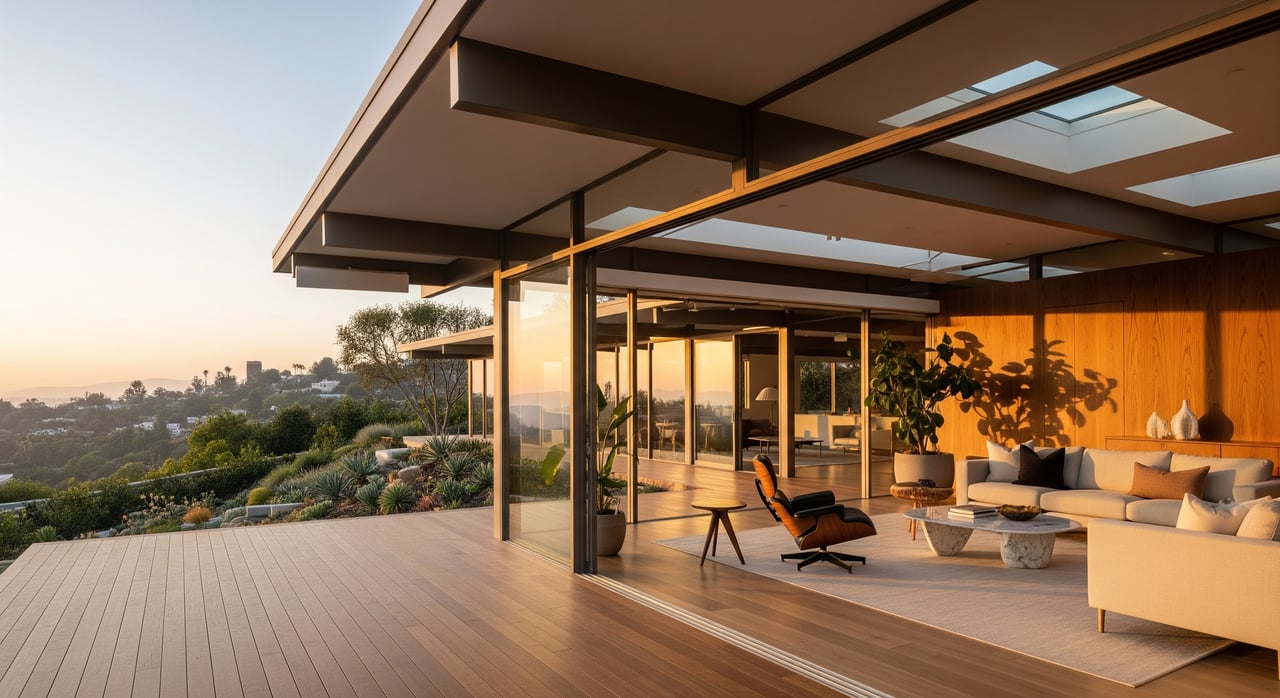
Thinking about buying in Studio City but not sure which home style fits you best? You are not alone. From sleek Mid‑Century gems to dramatic hillside contemporaries, Studio City offers a surprising range of architecture in a small footprint. In this guide, you will learn how to spot the key features of each style, where they tend to cluster, what to inspect before you write an offer, and how renovation choices might affect your budget and future resale. Let’s dive in.
Studio City at a glance
Studio City stretches along Ventura Boulevard at the southern edge of the San Fernando Valley. You will find flat neighborhoods near the Valley floor and wooded hillside pockets that climb toward Fryman and Coldwater canyons. The varied topography and lot shapes shaped the housing mix you see today.
For a quick neighborhood overview, the Studio City profile offers helpful context.
Where styles cluster
- Flatland near Ventura Boulevard and the 101: More Mid‑Century and Ranch homes, plus older bungalows and traditional infill. Rectangular lots make additions and full redevelopments simpler.
- Hillside slopes into Fryman and Coldwater: More contemporary rebuilds and new homes that use the slope for views and multi‑level layouts. Steeper grades and retaining walls influence both design and cost.
- Mixed pockets: Intact streets of Mid‑Century or Ranch homes can appear next to newer modern rebuilds due to ongoing redevelopment.
Mid‑Century Modern: light, lines, and flow
Mid‑Century Modern homes in Studio City date from roughly 1945 to 1970. The style celebrates indoor–outdoor living and clean, horizontal lines.
How to recognize it
- Low‑sloped or flat roofs and broad eaves
- Floor‑to‑ceiling glass, clerestory windows, sliding doors to patios
- Open plans, exposed beams, built‑ins, and minimal ornamentation
For deeper architectural context, see the Los Angeles Conservancy’s Mid‑Century resources.
Where you will find it
You will see many examples on flat, post‑war streets between Ventura Boulevard and the foothills. Original pockets appear where teardown pressure has been lighter.
What to watch on tours
- Original single‑pane glazing and tired roof membranes on low‑slope roofs
- Drainage at patios and decks, and the condition of indoor–outdoor transitions
- Compact kitchens and dated mechanicals that may need modernization
Renovation and maintenance
- Upgrading to double‑pane windows, replacing flat roofs, and improving HVAC
- Electrical and plumbing updates to meet current code
- Preserving signature elements like built‑ins and unique window systems can add cost
Pricing cues
Well‑preserved or sensitively updated Mid‑Century homes often command a premium, especially with views or flat, usable yards.
Ranch homes: single‑level comfort and yard space
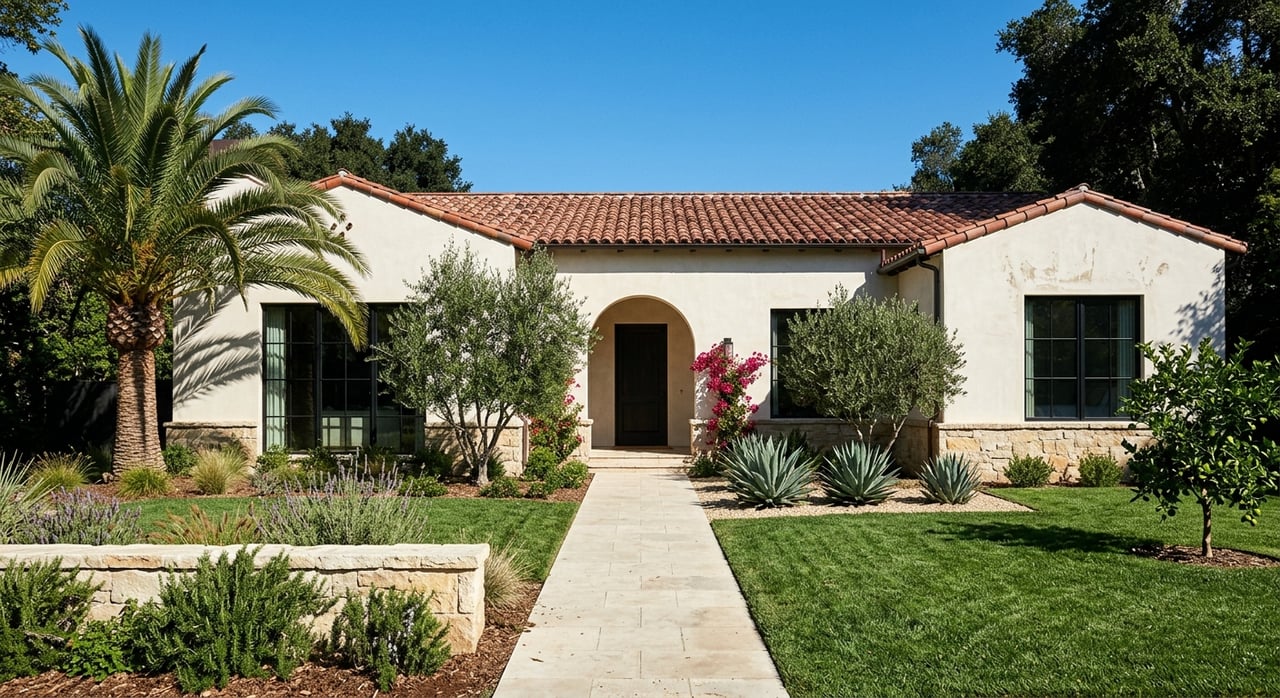
Ranch homes peaked from the 1940s through the 1960s across the Valley. They offer practical layouts and easy single‑level living.
How to recognize it
- Low‑profile, single‑story forms with gabled or low‑pitched roofs
- Wide front facades, attached garages, and picture windows
- Linear floor plans with separate rooms in older examples; later Ranches trend semi‑open
Where you will find it
Ranch homes are common on wider rectangular lots in the flatland near the Valley floor.
What to watch on tours
- Foundation settlement or slab cracks
- Garage conversion quality and permit status
- Roof age and the condition of kitchens and baths
Renovation and maintenance
- Opening interiors for flow, enlarging kitchens, and adding ADUs or a second story (with proper permits)
- Structural upgrades if you plan to add a level or alter rooflines
Pricing cues
Deep or flat lots can lift value since they offer expansion or redevelopment potential.
Traditional homes: charm across eras
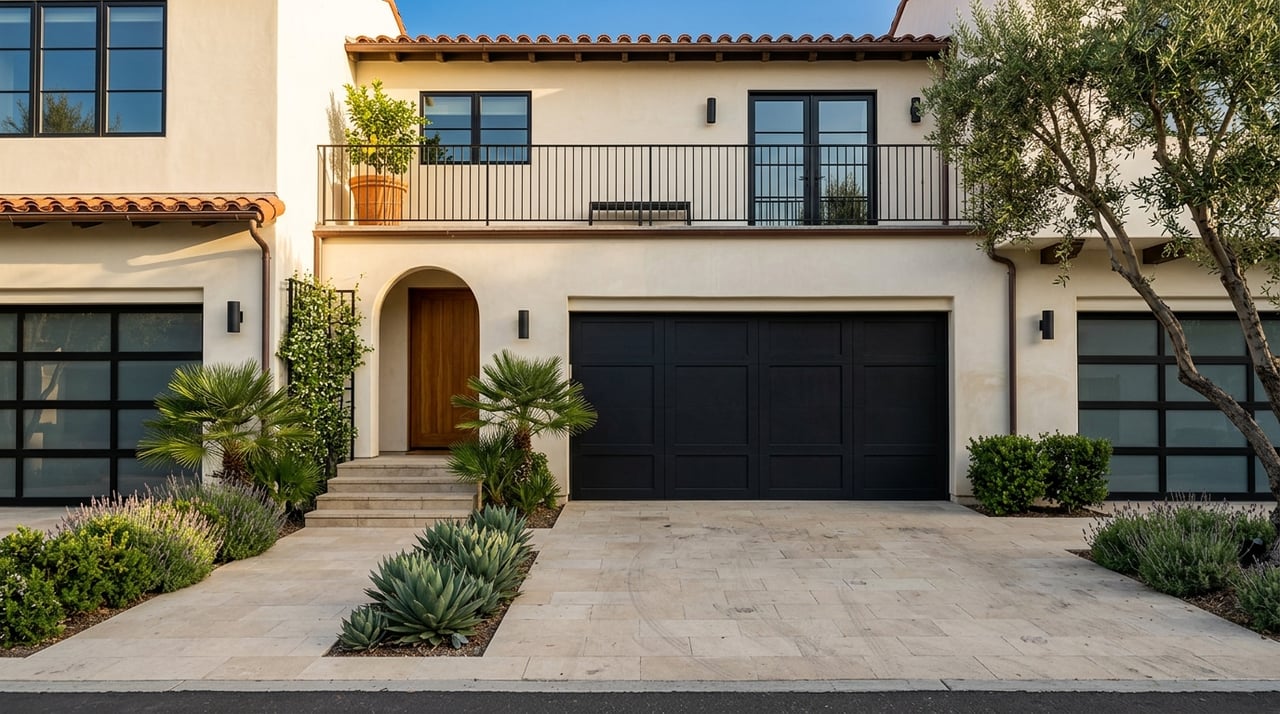
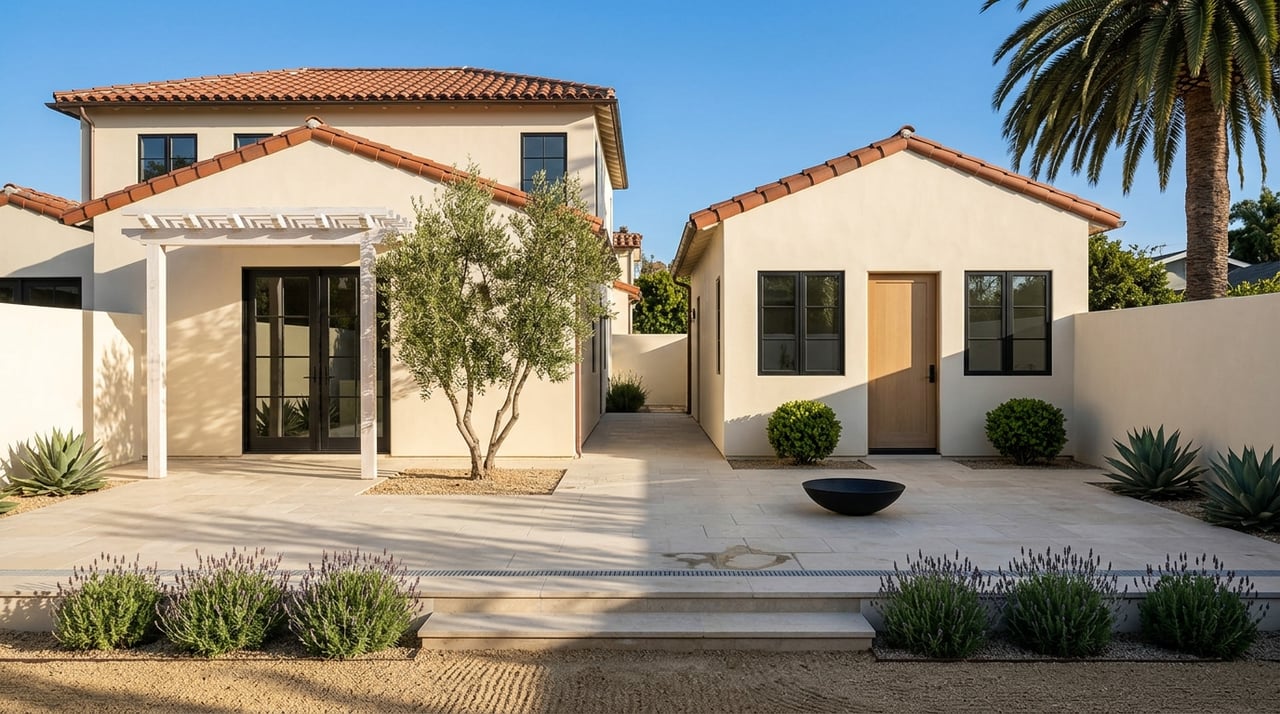
Traditional in Studio City spans several eras, from earlier revival bungalows to 1970s–90s infill with ornamented, classic styling.
How to recognize it
- Pitched roofs, porches, and symmetrical facades
- Decorative moldings and wood or stucco siding
- More compartmentalized rooms and formal living or dining areas
Where you will find it
Older examples line corridors and side streets. You will also notice 1980s–90s traditional infill on scattered lots.
What to watch on tours
- Older systems on period homes, including knob‑and‑tube wiring, original plumbing, and plaster walls
- Likely need for electrical, plumbing, and insulation upgrades
Renovation and maintenance
- Restorations that preserve trim and period details
- Whole‑house system updates to meet today’s standards
Pricing cues
Homes with authentic, preserved character appeal to buyers who value period details. Fully modernized versions can sell on par with contemporary comps when done well.
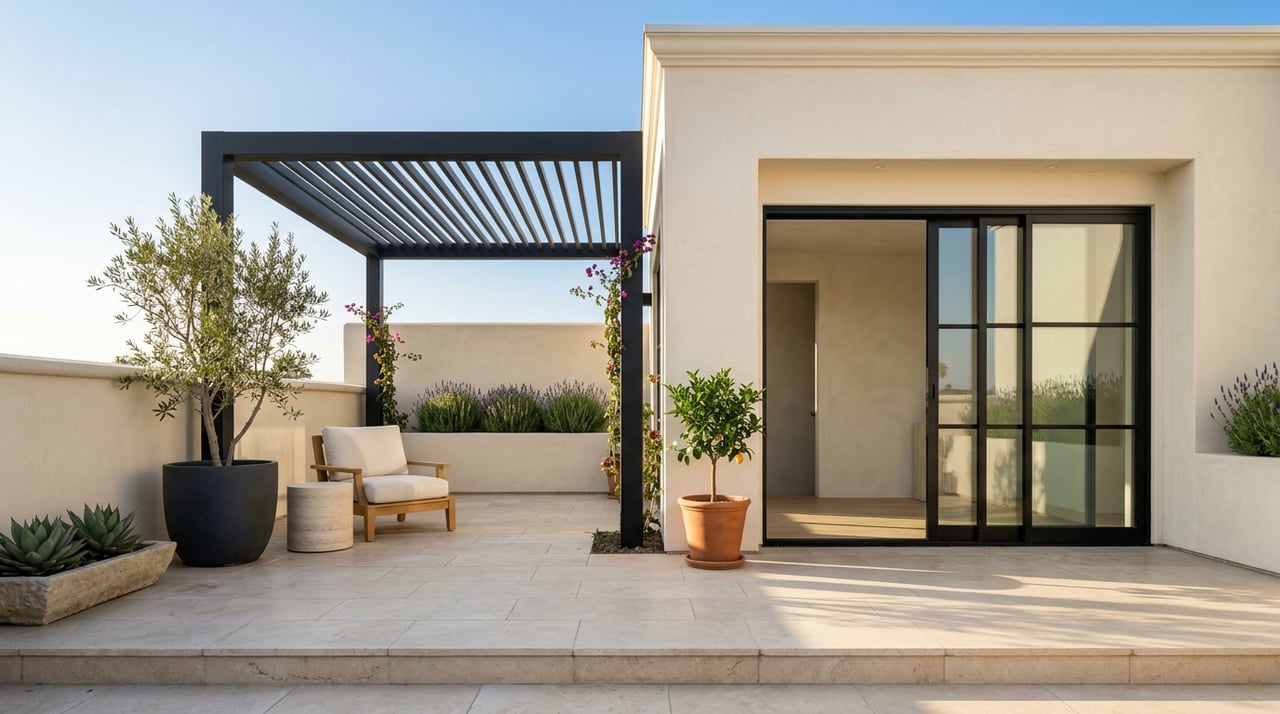
Contemporary rebuilds: glass, volume, and views
Contemporary and modern rebuilds accelerated in the 2000s and remain a major force in Studio City, especially on hillside lots.
How to recognize it
- Strong geometric forms, large expanses of glass, and mixed exterior materials
- Open plans, high ceilings, smart systems, and multiple en‑suite bedrooms
- Terraces, rooftop decks, and glass walls that frame views
Where you will find it
Hillside parcels with panoramic Valley or city outlooks and select flat lots with larger new builds.
What to watch on tours
- Waterproofing and detailing at decks and glazing
- Quality of high‑end mechanicals and integrated systems
- Landscape and drainage designed to work with the architecture
Renovation and maintenance
- Specialized care for structural steel, large glazing, and custom facades
- Higher repair costs for custom finishes and storefront‑style glass
Pricing cues
Contemporary homes with strong views, privacy, and quality finishes often sit at the top of the local market. Lot position matters a great deal.
What to inspect before you write an offer
Regardless of style, do your homework.
Verify permits and history
- Pull permit records with the Los Angeles Department of Building and Safety. Unpermitted additions or garage conversions are common and can affect cost, time, and risk.
Order the right inspections
- General home inspection, plus specialists as needed: roof, HVAC, pest, and foundation
- For hillside properties, plan on a geotechnical focus and drainage review
- For older homes, consider an electrical and sewer scope
For general homeowner maintenance tips, browse This Old House’s guidance. For regional pest issues, including termites, the UC ANR pest resources are helpful.
Renovation budgets and timelines
Your budget depends on scope, site, and finish level. In Los Angeles, plan for permit and plan‑check timelines that range from several weeks to many months, especially for structural or hillside projects.
Typical project cost cues in the region include:
- Cosmetic kitchen refresh: low five figures
- Mid‑range kitchen remodel: tens of thousands to low six figures
- Full gut kitchen or bathroom, or additions: mid five to six figures
- Full remodel or rebuild: six figures to multi‑million based on size and hillside complexity
Industry resources like the Remodeling Magazine Cost vs. Value reports offer helpful context. Always confirm with local contractor bids.
Cost drivers you should expect in Studio City:
- Hillside work, grading, and retaining walls add significant cost
- Custom glass, structural steel, and high‑end finishes increase both initial and long‑term expenses
- Permitting delays and required retrofits for past unpermitted work can add surprise line items
Style, lifestyle, and resale
Pick a style that matches how you live today and how you may live in five to ten years. Here is a quick way to think about fit:
- Mid‑Century: You value period character, clean lines, and indoor–outdoor flow. You plan to update systems without losing the original spirit.
- Ranch: You prefer single‑level living and usable yard space. You may want the option to expand later.
- Traditional: You enjoy classic details and defined rooms. You are open to system upgrades in older homes.
- Contemporary: You want high ceilings, modern finishes, integrated tech, and views. You accept specialized maintenance.
When it comes to resale, lot usability, views, renovation quality, and proper permits often matter more than style alone. Well‑executed renovations that respect a home’s design language tend to perform best.
How to shop smarter in Studio City
Use this quick process to stay focused:
- Start with site type. Decide whether a flat lot or hillside setting fits your daily routine, parking, and long‑term plans.
- Match style to lifestyle. Shortlist two styles that suit your needs and budget.
- Confirm permitability. Check setbacks, lot coverage, and whether ADUs or additions are feasible for your goals by reviewing LADBS resources and local planning.
- Budget time and money. Align your expectations with typical Los Angeles timelines and cost ranges, then get contractor input early.
- Inspect deeply. Layer specialty inspections over a general inspection so you are clear on structure, waterproofing, and systems before you negotiate.
Ready to compare homes and plan your move?
If you want a home that fits both your taste and your timeline, it helps to tour with clear criteria and a plan for inspections and permits. Our team brings hands‑on guidance across Studio City’s flatland streets and hillside pockets, plus practical advice on what to update now and what to phase later. When you are ready, connect with Andy Hairabedian for a focused search and strategy.
FAQs
What defines a Mid‑Century home in Studio City?
- Look for low or flat roofs, floor‑to‑ceiling glass, open plans, and built‑ins from the 1945–1970 era, often on flat lots near Ventura Boulevard.
How are Ranch homes different from Mid‑Century?
- Ranch homes are single‑story with wider facades and practical layouts; Mid‑Century designs emphasize glass, clean lines, and indoor–outdoor transitions.
Where are most contemporary homes in Studio City?
- Many contemporary rebuilds sit on hillside parcels that use the slope for views and multi‑level layouts, with some larger new builds on select flat lots.
What inspections are essential for hillside properties?
- In addition to a general inspection, plan for geotechnical focus, drainage checks, and careful review of retaining walls and access.
How do I check if past work was permitted?
- Search records with the Los Angeles Department of Building and Safety and compare findings with the current floor plan and disclosures.
What drives renovation costs the most in Studio City?
- Hillside grading and retaining walls, custom glazing and steel, and permit timelines are common cost drivers, with scope and finish level setting the baseline.